Cloud based endpoint security solution sets the stage for this enthralling narrative, offering a deep dive into a rapidly evolving realm where businesses safeguard their digital assets with innovative technology. In today’s hyper-connected world, securing endpoints—like laptops, smartphones, and tablets—has never been more crucial. These solutions not only protect sensitive data from cyber threats but also enhance operational efficiency, providing organizations with peace of mind in an uncertain landscape.
This guide explores cloud based endpoint security solutions, highlighting their benefits, key features, and how they compare to leading providers. We’ll also delve into implementation strategies and future trends that promise to shape the security industry.
Overview of Cloud-Based Endpoint Security Solutions
In today’s digital landscape, securing endpoints has become a pivotal concern for businesses of all sizes. Cloud-based endpoint security solutions are at the forefront of this battle, offering innovative ways to safeguard devices that connect to corporate networks. As organizations increasingly adopt remote work policies and mobile technology, the need for robust security measures has never been more pressing.
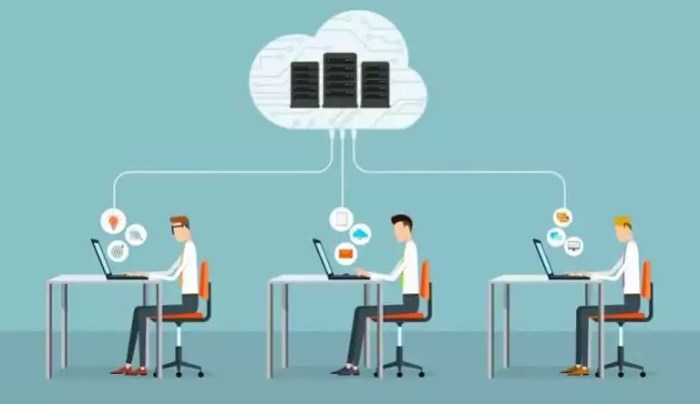
Cloud-based endpoint security solutions leverage cloud computing to provide comprehensive protection for various devices, including laptops, smartphones, and tablets. By centralizing security management in the cloud, these solutions enable real-time monitoring, threat detection, and automated responses to potential security breaches. The shift from traditional on-premises solutions to cloud-based options allows businesses to enhance their security posture while optimizing operational efficiency.
Primary Benefits of Implementing Cloud-Based Solutions
The adoption of cloud-based endpoint security solutions offers multiple advantages that directly impact a business’s ability to protect its digital assets. These benefits include:
- Scalability: Cloud solutions can easily scale to accommodate the growing number of devices in use, making it simple to adjust security measures as an organization expands.
- Cost-Effectiveness: By reducing the need for expensive on-premises hardware and providing subscription-based pricing, organizations can manage costs more effectively while ensuring comprehensive security.
- Accessibility: Security teams can manage and monitor endpoints from anywhere, allowing for a quicker response to threats and incidents, especially in remote work environments.
- Automated Updates: Cloud-based solutions can automatically update with the latest security patches and threat intelligence, minimizing vulnerabilities without manual intervention.
- Enhanced Threat Detection: Advanced analytics and machine learning algorithms employed by cloud services improve the identification of complex threats, providing more robust defense mechanisms.
Key Features of a Robust Cloud-Based Endpoint Security Solution
A strong cloud-based endpoint security solution should encompass several critical features that ensure comprehensive protection against a variety of threats. The following elements define a robust solution:
- Real-Time Threat Monitoring: Continuous surveillance of endpoints to detect and respond to potential threats as they emerge.
- Data Encryption: Ensuring sensitive data is encrypted both in transit and at rest, protecting it from unauthorized access.
- Incident Response Capabilities: Tools and processes that allow security teams to respond quickly to detected threats, minimizing potential damage.
- Centralized Management Console: A unified interface that provides visibility and control over all endpoints, simplifying monitoring and management tasks.
- Compliance Management: Features that assist organizations in adhering to industry regulations and standards, reducing the risk of compliance-related penalties.
“Effective endpoint security is not just about protecting devices; it’s about safeguarding the entire network and the data within.”
Comparison of Leading Cloud-Based Endpoint Security Providers: Cloud Based Endpoint Security Solution
The landscape of cloud-based endpoint security solutions is diverse, featuring various providers that cater to different business needs and security requirements. Each solution offers unique strengths, pricing models, and features that can significantly impact the security posture of an organization. This detailed comparison highlights the top players in the market, their differentiating factors, and pricing strategies, enabling businesses to make informed decisions.
Top Cloud-Based Endpoint Security Providers
In evaluating the leading cloud-based endpoint security providers, it is crucial to consider their features, pricing, and unique selling propositions. The following overview presents a comprehensive look at some of the most prominent solutions available today.
- CrowdStrike Falcon: Known for its advanced threat detection capabilities utilizing artificial intelligence, CrowdStrike Falcon offers endpoint protection, threat intelligence, and incident response services all within a single platform. The pricing model is subscription-based, with costs varying based on the number of endpoints and selected features.
- Microsoft Defender for Endpoint: Integrated with Microsoft 365, this solution provides robust protection against various threats while leveraging existing Microsoft infrastructures. Its unique selling point is seamless integration with other Microsoft applications, facilitating easier management. The pricing is included in Microsoft 365 subscriptions or available as a standalone offering.
- Symantec Endpoint Protection: This solution combines traditional antivirus with advanced machine learning capabilities for enhanced security. One of its unique aspects is the comprehensive threat intelligence network that informs real-time decision-making. Symantec offers tiered pricing based on the number of users and desired features.
- SentinelOne: Featuring autonomous AI-driven protection, SentinelOne excels in detecting and responding to threats in real-time without human intervention. Its standout feature is the ability to roll back changes made by malware, effectively restoring systems to their pre-infection state. Pricing is based on a per-endpoint model, with options for additional features.
- Palo Alto Networks Cortex XDR: This solution extends beyond endpoint protection by integrating network and cloud data for a holistic security posture. The unique selling point lies in its comprehensive visibility across multiple environments. Palo Alto’s pricing model is based on usage, tailored to the specific needs of the organization.
Insights into Pricing Models
Understanding the pricing structure of cloud-based endpoint security solutions is vital for organizations when budgeting for cybersecurity. The following points illustrate the various approaches taken by leading providers:
- Subscription-based models are common, allowing organizations to pay annually or monthly based on the number of endpoints protected, with options for scalability as the organization grows.
- Tiered pricing structures enable businesses to select packages that align with their security needs, often offering basic to advanced features at different price points.
- Per-user or per-device pricing allows for flexibility but may become costly as the number of endpoints increases, necessitating careful consideration of total cost of ownership.
- Bundled offerings with other services, such as threat intelligence or incident response, can provide additional value and simplify the purchasing process.
Unique Selling Points of Each Provider
The differentiation among cloud-based endpoint security solutions often hinges on specific features that enhance user experience and security efficacy. Here are the unique selling points that set each provider apart:
- CrowdStrike Falcon stands out for its combination of cloud-native architecture and machine learning capabilities, offering rapid threat detection and response without relying heavily on on-premises infrastructure.
- Microsoft Defender for Endpoint excels in its integration with Microsoft products, providing a unified security experience for organizations already utilizing the Microsoft ecosystem.
- Symantec’s extensive threat intelligence network enhances its detection and response capabilities, giving organizations an edge in proactive threat hunting.
- SentinelOne’s autonomous response functionality allows for immediate remediation without human intervention, reducing downtime and operational disruption.
- Palo Alto Networks’ Cortex XDR’s ability to analyze data across endpoints, networks, and clouds provides organizations with a comprehensive view of their security posture, enhancing incident response capabilities.
“In the rapidly evolving landscape of cyber threats, choosing the right endpoint security provider can mean the difference between a secure environment and a costly breach.”
Implementation Strategies for Cloud-Based Endpoint Security
Implementing a cloud-based endpoint security solution is an essential step toward safeguarding organizational data and ensuring robust protection against cyber threats. As businesses increasingly rely on cloud technologies, it becomes vital to understand the best practices and strategies for a successful deployment. This guide will walk through a step-by-step approach to implementation, highlight common challenges organizations may face, and provide a comprehensive checklist for those considering the transition to cloud-based security.
Step-by-Step Guide to Implementing Cloud-Based Endpoint Security
A systematic approach to implementing cloud-based endpoint security will streamline the process and minimize disruption. Here is a structured guide to follow:
- Assess Security Needs: Evaluate the specific security requirements of your organization, considering factors such as the nature of the data being protected, compliance needs, and potential threat vectors.
- Select the Right Provider: Research and choose a reputable cloud-based endpoint security provider that aligns with your needs, ensuring they offer the necessary features and support.
- Develop an Implementation Plan: Create a detailed plan that Artikels timelines, responsibilities, and resource allocation for the implementation process.
- Integrate with Existing Systems: Ensure compatibility with your current IT infrastructure. This may involve integrating the cloud security solution with existing software and workflows.
- Deploy the Solution: Gradually roll out the solution, starting with a pilot program to test effectiveness and make necessary adjustments before full implementation.
- Train Employees: Conduct training sessions for staff to familiarize them with the new security protocols and tools, emphasizing the importance of compliance and vigilance.
- Monitor and Optimize: After deployment, continuously monitor system performance and security incidents. Optimize the solution based on feedback and evolving threats.
Common Challenges and Solutions During Implementation, Cloud based endpoint security solution
Organizations may encounter various challenges when implementing a cloud-based endpoint security solution. Awareness of these common issues and their solutions can facilitate a smoother transition.
“Proactive problem-solving is key to a successful implementation.”
- Resistance to Change: Employees may resist new systems. Overcome this by involving them early in the process and communicating the benefits clearly.
- Integration Difficulties: Compatibility issues with existing systems can arise. Address this by conducting thorough compatibility checks and allowing time for adjustments.
- Lack of Expertise: Insufficient technical knowledge can hinder implementation. Consider hiring external consultants or providing additional training for your IT team.
- Data Migration Challenges: Transferring data to the cloud can lead to downtime or data loss. Plan migrations meticulously, using backups to secure essential data.
Checklist for Organizations Transitioning to Cloud-Based Security
To ensure a successful transition to cloud-based endpoint security, organizations should consider the following checklist:
“Preparation is the foundation of successful security implementation.”
- Define clear security goals and objectives.
- Conduct a comprehensive risk assessment.
- Choose a cloud security provider with strong industry credentials.
- Ensure compliance with relevant regulations (e.g., GDPR, HIPAA).
- Identify key stakeholders and assign responsibilities.
- Develop a detailed implementation timeline.
- Establish communication channels for feedback and support.
- Plan for regular updates and maintenance of the security system.
Future Trends in Cloud-Based Endpoint Security
As we look towards the future of cloud-based endpoint security, several emerging trends are set to reshape the landscape in the next five years. With advancements in technology and an increasingly complex threat environment, organizations must adapt to safeguard their data and systems. Understanding these trends not only prepares businesses for future challenges but also enhances their security posture against evolving cyber threats.
Emerging Trends in Cloud-Based Endpoint Security
The future of cloud-based endpoint security will be heavily influenced by a variety of interrelated trends. Here are some key elements expected to gain prominence:
- Zero Trust Architecture: The shift towards a zero trust model will become more prevalent, emphasizing the need for continuous verification of users and devices, regardless of their location. This approach limits the chances of unauthorized access and enhances security by treating every attempt to access the network as a potential threat.
- Increased Adoption of Unified Endpoint Management (UEM): Organizations are expected to increasingly adopt UEM solutions that integrate security and management for all endpoints, whether mobile, desktop, or IoT devices. This consolidates tools, streamlining operations and enhancing visibility across the organization.
- Integration of Security Automation: Automation in security processes will continue to grow, enabling faster response to threats. Automated systems can help in real-time monitoring, threat detection, and incident response, significantly reducing the workload on security teams.
- Expansion of Machine Learning and AI Capabilities: The utilization of AI and machine learning will be crucial for predictive analytics and threat intelligence. These technologies can identify patterns and anomalies, allowing organizations to proactively address potential security issues before they escalate.
Impact of Artificial Intelligence on Cloud Security Solutions
Artificial intelligence is set to revolutionize cloud security solutions by enhancing threat detection and response capabilities. AI tools analyze vast amounts of data in real-time, enabling quicker identification of potential threats that traditional methods may overlook. The incorporation of AI in security solutions allows for advanced predictive analytics, which helps organizations anticipate and prepare for cyber threats before they can inflict damage.
Moreover, machine learning algorithms continuously improve as they process more data, making them increasingly effective in identifying evolving threats. An example of this can be seen in AI-driven security platforms that utilize behavioral analytics to detect anomalies in user behavior, flagging potential insider threats or compromised accounts.
“AI’s capability to learn and adapt is crucial for staying ahead of cybercriminals.”
Role of Regulatory Compliance in Future Cloud-Based Security Measures
Regulatory compliance will play a significant role in shaping the future of cloud-based security measures. As data privacy regulations become more stringent globally, organizations must ensure that their security protocols comply with laws such as the General Data Protection Regulation (GDPR) and the California Consumer Privacy Act (CCPA). Failure to comply can result in hefty fines and damage to reputation, making compliance a top priority.
Organizations will need to implement robust security frameworks that not only meet regulatory requirements but also protect sensitive information from breaches. This necessitates regular audits and updates to security practices, aligning them with evolving regulations and standards. As compliance requirements grow, organizations may seek to leverage cloud security solutions that offer built-in compliance features, simplifying the process of adhering to regulations.
In conclusion, the future of cloud-based endpoint security will be characterized by advancements in technology, heightened regulatory scrutiny, and an ongoing commitment to protecting sensitive data. With the right strategies and tools in place, businesses can navigate the complex security landscape effectively.
Questions Often Asked
What is a cloud based endpoint security solution?
A cloud based endpoint security solution is a cybersecurity system that protects endpoints by using cloud technology to manage and secure devices remotely.
What are the primary benefits of these solutions?
Key benefits include enhanced security, scalability, cost-effectiveness, and ease of management for IT teams.
How do I choose the right provider?
Consider factors such as pricing, features, customer support, and how well the provider’s solutions integrate with your existing systems.
What challenges might I face during implementation?
Common challenges include resistance to change, integration issues, and ensuring comprehensive training for users.
Will these solutions keep up with emerging threats?
Yes, many cloud based endpoint security solutions utilize AI and machine learning to adapt to new threats in real-time.
In today’s digital landscape, safeguarding your assets is crucial, and choosing an appropriate enterprise endpoint protection solution can provide comprehensive defense against various cyber threats. This solution allows businesses to monitor and protect endpoints efficiently, ensuring a robust security posture.
Juggling multiple devices can complicate your security needs. That’s why a tailored multi device antivirus plan is essential. It streamlines your protection strategy, covering everything from laptops to smartphones, so you can enjoy peace of mind as you navigate the digital world.
Security is more than just antivirus; it’s about vigilance. That’s where antivirus software with dark web monitoring comes into play. This proactive approach helps you identify and address threats before they escalate, keeping your data safe from prying eyes.
Ransomware attacks are on the rise, making it imperative to use reliable solutions. Investing in ransomware protection software for PC ensures that your systems are fortified against these malicious threats, allowing you to focus on your work without constant worry.
As technology evolves, so do security needs. If you’re looking for the best paid antivirus subscription 2026 , consider solutions that offer robust features, user-friendly interfaces, and strong customer support to keep your devices secure as threats continue to emerge.
Small companies often face unique challenges in cybersecurity. The right cybersecurity software for small companies can make a significant difference, providing tailored solutions that fit within budget constraints while still offering essential protection against cyber threats.
Integrating security measures is vital for comprehensive protection. Choosing antivirus software with firewall included offers a dual layer of defense, making it hard for malicious entities to breach your system while ensuring your data remains safeguarded.
Remote work has become the norm, creating new security challenges. The best antivirus for remote workers is designed to address these unique needs, offering strong protection while maintaining the flexibility required for modern work environments.
With Windows 11 promising new features, it’s essential to equip your system with the best antivirus software 2026 for Windows 11. This ensures you leverage optimal performance without compromising on security, allowing you to enjoy the latest technology safely.
Security is paramount in e-commerce. Investing in the best antivirus for e-commerce security protects not only your business but also your customers, ensuring trust and safety as you conduct transactions online.
When it comes to trusted antivirus solutions, Norton offers a range of options tailored for various needs, ensuring comprehensive protection against modern threats.
For a reliable and user-friendly experience, McAfee provides robust security features that cater to both individual and business users, helping you maintain peace of mind in a digital world.
If you’re looking for advanced cybersecurity solutions, Bitdefender stands out with its innovative technology, promising top-tier protection that adapts to the ever-changing threat landscape.
Renowned for its effective solutions, Kaspersky is a leader in cybersecurity, offering comprehensive protection that assures users of their online safety across various platforms.
For those who value simplicity and effectiveness, Avast delivers reliable antivirus solutions that empower users to navigate the internet confidently, protecting their data from potential threats.
With a strong commitment to innovation, Trend Micro provides extensive security solutions that equip users against evolving cyber threats, making it a trusted name in the industry.